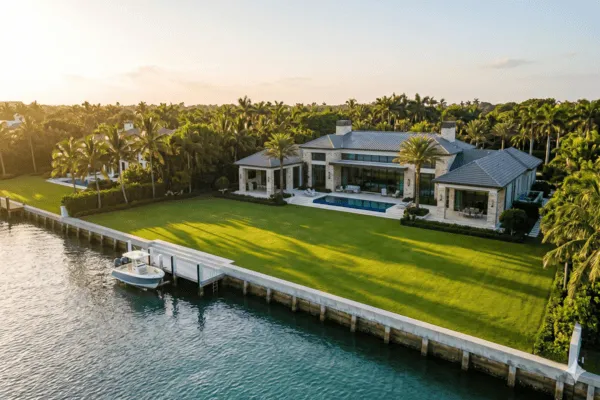
The 2026 “Two-Speed” Market: Single-Family Scarcity vs. Condo Optionality in South Florida
Where Leverage Exists — and Where It Doesn’t — for Luxury Buyers in Today’s Market
South Florida’s luxury real estate market in 2026 is no longer moving in a single direction. Instead, the market for homes for sale, houses for sale, and luxury homes for sale has clearly divided into two separate segments. On one side, waterfront single-family homes in elite areas like Palm Beach, Jupiter, Palm Beach Gardens, Boca Raton, Stuart, and Hobe Sound continue to experience low inventory, competitive bidding, and premium pricing. On the other side, the condominium market—especially older buildings and non-waterfront units—has created negotiation opportunities not seen in years.
For buyers searching for property for sale near me, home for sale near me, or luxury houses for sale in South Florida, understanding this two-speed market is essential. Whether you are exploring Palm Beach real estate, Jupiter Florida homes for sale, or homes for sale in Martin County FL, the key advantage comes from knowing exactly where leverage exists.
At Watley Coastal & Club Group, we help buyers navigate everything from off market homes for sale to luxury homes Palm Beach Gardens buyers compete for daily. The opportunity in today’s Florida real estate market is not simply finding homes near me or browsing MLS listings—it’s understanding how to strategically position yourself within each segment.
Market Overview: Why Florida Real Estate Has Split Into Two Markets
The divide between single-family homes and condos across Florida real estate is driven by three major forces: inventory limitations, rising ownership costs, and evolving buyer behavior.
1. Supply Constraints in Waterfront Single-Family Homes
Waterfront properties remain some of the most desirable real estate for sale in South Florida. Buyers searching for Palm Beach homes for sale, Jupiter homes for sale, or houses in Florida for sale with private dockage continue to face limited inventory.
Luxury buyers looking at Palm Beach properties, Jupiter beach real estate, and Florida Keys real estate understand that these assets are irreplaceable. Strict zoning regulations, environmental protections, and the lack of available waterfront land continue to restrict new inventory.
As a result, homes for sale in Palm Beach County, houses for sale in Palm Beach County Florida, and homes for sale in Martin County FL remain highly competitive.
In areas like:
Palm Beach Gardens
Jupiter Island
Sewall’s Point
Hobe Sound
Stuart
Palm Beach Island
buyers searching for luxury houses or mansion for sale opportunities often need to move quickly.
2. Pressure in the Condominium Market
At the same time, the condo market has shifted dramatically. Rising insurance costs, increased reserve requirements, and stricter structural regulations in Florida have created additional pressure for many condominium associations.
This has particularly impacted:
Older buildings
Non-renovated units
Properties with weak reserve funding
Inland condo communities
Buyers researching real estate listings near me or housing listing opportunities in South Florida are now seeing more inventory and longer days on market in the condo segment.
For buyers seeking real estate for sale in Palm Beach Florida, Palm Beach Florida condos for sale, or even homes for sale WPB FL, this has introduced negotiating leverage.
3. Lifestyle Buyers Are Driving Demand
Post-pandemic migration continues reshaping Florida real estate. Buyers relocating from New York, California, Illinois, and Connecticut are no longer purchasing vacation properties alone—they are making permanent lifestyle moves.
This trend has increased demand for:
Houses in Florida with outdoor space
Waterfront homes
Golf community estates
New construction homes in Palm Beach County
Palm Beach house for sale opportunities with long-term usability
As a result, homes in Florida that support full-time luxury living continue outperforming many condo segments.
The Single-Family Market: Where Luxury Homes Still Command Premium Pricing
If you are searching for luxury homes for sale, homes for sale in Florida, or houses for sale in Palm Beach County, you are entering a market where scarcity still controls pricing.
What Defines This Segment?
The strongest-performing segment of Florida real estate includes:
Waterfront estates with Intracoastal or ocean access
Golf and private club communities
Palm Beach houses for sale in prime locations
Jupiter Island homes for sale
Palm Beach Gardens luxury homes
New construction Palm Beach County properties
Fully renovated estate homes
In areas like Palm Beach Gardens, Jupiter, Boca Raton, and Stuart Florida real estate markets, buyers continue competing aggressively for premium inventory.
What Buyers Should Expect
Buyers looking for houses for sale in Florida or luxury houses for sale should expect:
Limited inventory
Strong seller leverage
Multiple-offer scenarios
Minimal pricing flexibility
Fast-moving transactions
In highly desirable waterfront neighborhoods, hesitation often leads to missed opportunities. Buyers searching for homes for sale homes for sale online frequently discover that the best properties move before broader public exposure.
Why Pricing Continues Holding Strong
There are several reasons pricing remains resilient in the luxury single-family market:
Waterfront Land Is Limited
There is simply no way to create more prime waterfront land in Palm Beach County or Martin County.
Construction Costs Continue Rising
New construction palm beach county fl projects remain expensive due to labor shortages, materials pricing, and permitting complexity.
Wealthy Buyers Maintain Liquidity
Many buyers purchasing homes in Jupiter, Palm Beach homes for sale, or luxury houses are cash buyers or highly liquid.
Migration Into Florida Continues
High-income buyers relocating to Florida continue fueling demand for:
Homes in Jupiter
Palm Beach real estate listings
Palm Beach Gardens homes for sale
Stuart Florida homes for sale
Hobe Sound real estate
For these buyers, the focus is less about negotiating aggressively and more about securing rare long-term assets.
The Condo Market: Where Buyers Gain Negotiating Power
While single-family inventory remains competitive, the condo market has introduced more leverage for buyers searching for property for sale palm beach florida opportunities.
Where Buyers Have the Most Leverage
Negotiation power is strongest in:
Buildings over 20 years old
Properties with pending assessments
Units needing renovation
Secondary-location condos
Inland buildings without water views
Buyers exploring Palm Beach Florida condos for sale or west palm Florida homes for sale with condo inventory can often negotiate:
Price reductions
Closing cost contributions
Repair credits
Extended due diligence periods
Furniture inclusions
Why Condo Sellers Are Becoming More Flexible
Several factors are increasing seller motivation:
Rising HOA fees
Insurance increases
Financing restrictions in some buildings
More available inventory
Regulatory pressure on associations
For buyers looking at realestate for sale opportunities or browsing MLS realtor platforms daily, the condo segment currently offers some of the best negotiation potential in years.
Not All Condos Are Equal
It is important to distinguish aging inventory from premier luxury product.
High-end waterfront condo developments with strong reserves, modern amenities, and newer construction continue performing well.
The leverage exists primarily in middle-tier inventory and older buildings lacking modernization.
Smart Buyer Strategies in a Two-Speed Market
Understanding the split between single-family homes and condos is only the first step. Buyers searching for buy real estate opportunities in South Florida must adapt their strategy depending on the property type.
Strategy for Single-Family Buyers
1. Move Quickly on Prime Inventory
If you are searching for:
Jupiter Florida houses for sale
Palm Beach house opportunities
Houses for sale in Martin County Florida
Palm Beach island houses for sale
Palm Beach estates Florida properties
speed matters.
The best homes often sell quickly or privately through relationships before reaching public MLS listings.
2. Focus on Long-Term Asset Quality
Premium homes in Florida tend to outperform over time because of scarcity.
Properties with:
Deepwater dockage
Golf memberships
Ocean proximity
Large lots
New construction
continue attracting affluent relocation buyers.
3. Explore Off-Market Opportunities
Many of the most desirable homes for sale in Palm Beach County never officially hit public platforms.
Working with experienced Palm Beach realtor professionals and real estate agents in Florida can unlock access to off market homes for sale unavailable to the broader market.
4. Be Financially Prepared
Luxury sellers expect buyers to demonstrate certainty.
Cash positions, strong financing, and quick due diligence periods remain major competitive advantages.
Strategy for Condo Buyers
1. Negotiate Aggressively—but Strategically
Buyers exploring Florida housing for sale or Palm Beach Florida real estate condo opportunities should analyze:
Seller motivation
HOA reserves
Upcoming assessments
Comparable sales
Time on market
This is where leverage exists.
2. Conduct Thorough Due Diligence
Before purchasing any condo, buyers should carefully review:
Association budgets
Reserve studies
Insurance history
Structural reports
Pending litigation
This is especially important when evaluating older Palm Beach real estate inventory.
3. Target Renovation Potential
Some outdated condos in excellent locations offer exceptional upside.
Buyers searching for houses for sale palm beach gardens or condos near luxury neighborhoods may uncover value-add opportunities through renovation.
4. Think Long-Term Lifestyle
Even when negotiating aggressively, buyers should still focus on long-term livability and location quality.
Properties near:
Beaches
Golf clubs
Marinas
Downtown Palm Beach
Jupiter waterfront areas
typically retain stronger long-term demand.
Investment Perspective: Two Markets, Two Different Risk Profiles
From an investment standpoint, the current Florida real estate environment offers two very different profiles.
Single-Family Waterfront Investments
Luxury waterfront homes continue providing:
Long-term appreciation stability
Scarcity-driven value
Lower volatility
Strong resale demand
This includes:
Jupiter real estate
Palm Beach Florida homes for sale
Palm Beach Gardens real estate
Stuart Florida houses for sale
Jupiter Island Florida homes for sale
Condominium Investments
Condos currently offer:
Lower entry pricing
Value-add opportunities
Potential upside through renovation
Negotiation flexibility
However, condos also carry greater exposure to:
HOA increases
Regulatory changes
Insurance costs
Building-specific financial risks
Sophisticated buyers often diversify across both segments—anchoring their portfolio with a luxury single-family residence while selectively targeting condo opportunities where leverage exists.
What This Means for Palm Beach and Martin County Buyers
The split between condos and single-family homes is especially visible throughout Palm Beach County and Martin County.
Strong Demand Areas Continue Leading
Markets seeing sustained strength include:
Jupiter Florida real estate
Palm Beach Gardens for sale homes
Hobe Sound Florida homes for sale
Martin County homes for sale
Palm Beach County luxury communities
Buyers Have a Rare Advantage
Today’s market allows buyers to operate in two ways simultaneously:
Aggressive Acquisition in Scarce Segments
Buyers searching for homes for sale in Palm Beach County Florida or mansion for sale opportunities often need to act quickly.
Strategic Negotiation in Slower Segments
Buyers targeting condos or secondary inventory can negotiate favorable pricing and terms.
This combination creates a unique environment rarely seen in luxury real estate.
Conclusion: Strategy Matters More Than Ever in Florida Real Estate
The 2026 South Florida market is not moving in one direction—it is operating as two completely different markets.
For buyers researching:
Homes for sale in Florida
Real estate en Florida
Houses for sale in Palm Beach Florida
Property for sale near me
Luxury homes for sale
Palm Beach real estate
WPB homes for sale
understanding where leverage exists is critical.
Single-family waterfront homes continue commanding premium pricing because of scarcity, lifestyle demand, and long-term value stability.
Meanwhile, portions of the condo market now provide buyers with real negotiating opportunities.
The buyers who succeed in this environment will not be the ones simply searching “home for sale home” or “searching for properties” online. They will be the buyers who understand:
Which segments remain supply constrained
Which sellers are motivated
Which assets offer long-term value
When to move quickly
When to negotiate aggressively
At Watley Coastal & Club Group, we help clients navigate every side of the South Florida real estate market—from luxury homes Palm Beach Gardens buyers compete for to strategic condo acquisitions offering exceptional value.
Because in today’s two-speed market, strategy is everything
